Choosing the Right Roof Shingles: A Guide for Homeowners Apr 16, 2026
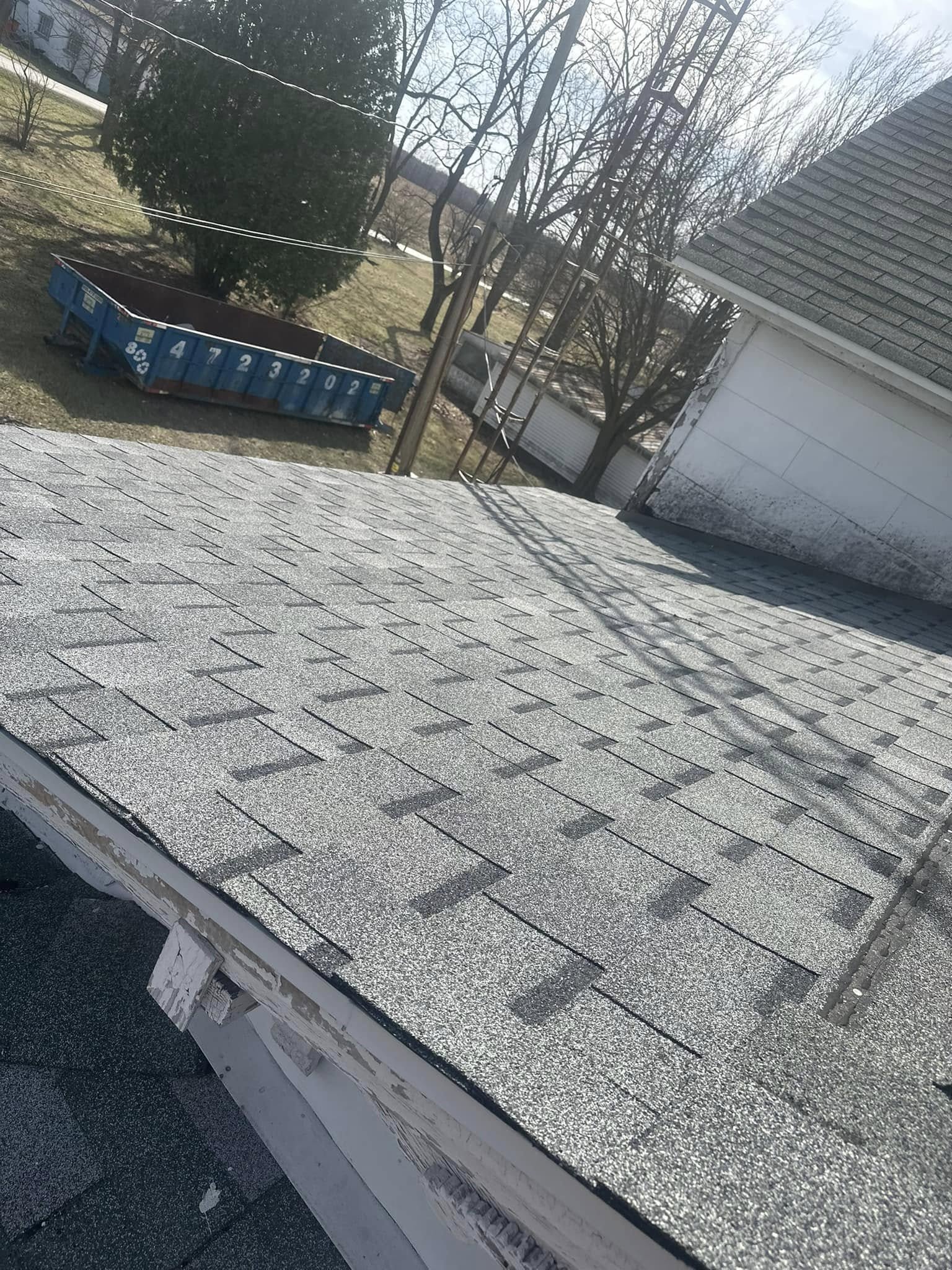
Start by considering the climate in your area. Different materials offer varying degrees of resistance to weather conditions. For instance, asphalt shingles are a popular choice due to their durability and affordability. They perform well in a variety of climates, offering resistance to wind and moderate impact protection. However, if you live in an area with extreme weather, such as heavy snowfall, you might want to consider metal shingles. These are known for their strength and longevity, especially in harsh conditions, and can be rust-resistant when coated properly.
Another key factor is the overall aesthetic appeal. The color and style of your shingles should complement the rest of your home’s exterior. Architectural shingles, for example, come in a variety of styles and colors, allowing for a semi-custom look that can mimic the appearance of slate or wood at a fraction of the cost. Think about the architecture of your home and try to select a shingle style that enhances its design features. Bring a sample home during the planning stage to see how the colors look in natural lighting.
Energy efficiency is also an essential consideration as it directly impacts your home’s heating and cooling costs. Some shingles come with reflective properties that help reduce heat absorption, keeping your home cooler in the summer and reducing energy bills. This can be particularly beneficial in sunnier climates. Look for products that have an Energy Star rating or those that are designed specifically for energy efficiency.
Your budget is always an important factor to consider. While premium materials like clay tiles or slate are available, they are often more expensive both in terms of material costs and the need for specialized installation. Asphalt shingles again prove to be a cost-effective solution with their competitive pricing and ease of installation. Metal roofing may have a higher upfront cost, but it also offers a longer lifespan, reducing the need for frequent replacements.
Finally, consider the level of maintenance required for each type of shingle. Some materials, like wood, require regular maintenance to prevent issues such as mold, while others are more low-maintenance. For instance, synthetic shingles may provide the look of wood with less upkeep.
In conclusion, choosing the right roof shingles involves understanding your specific needs and balancing aesthetics, durability, energy efficiency, budget, and maintenance. At Couchmans Home Improvements, our goal is to help you make an informed decision that ensures your home is both beautiful and well-protected. We recommend consulting with a roofing expert to explore the options best suited for your home’s requirements. Let us guide you through this important decision to ensure you enjoy peace of mind beneath your new roof.
/filters:no_upscale()/filters:format(webp)/media/9eda3e6a-9e4c-4008-9d5e-23e455ff63e8.jpeg)
/filters:no_upscale()/filters:format(webp)/media/e984020e-e03c-4cee-bc44-d6addf42b5ec.jpeg)